
Incident response assurance for regulated organisations
Know your response will hold when it counts.
Independent validation, structured preparedness, and executive reporting for organisations where assumptions aren't enough.
Assurance signal
Capability status
01
Independent
Capability validated against realistic operating conditions.
02
Senior-led
Direct involvement from experienced DFIR practitioners.
03
Defensible
Clear evidence for executives, regulators, and insurers.
The assurance gap
Prepared isn't the same as proven.
Plans, providers, and exercises create capability. Independent validation establishes whether that capability will work under pressure.
The gaps that matter rarely appear in a document review. They emerge when teams must make decisions with incomplete information, preserve evidence, coordinate third parties, and explain their actions under scrutiny.
Lykos Defence makes those gaps visible before a serious incident does.
The Lykos model
One assurance pathway. Three levels of confidence.
Start with evidence, strengthen what matters, and maintain confidence as your environment changes.
Capability Validation
An independent, fixed-scope baseline of performance under realistic incident pressure.
ExploreIR Readiness
A scheduled annual program improving plans, decisions, evidence, and coordination.
ExploreIR Assurance
Continuous validation, executive reporting, and documented preparedness.
ExploreWhat changes
Readiness becomes visible, measurable, and defensible.
Operational clarity
Roles, escalation paths, and evidence requirements are understood before pressure arrives.
Executive confidence
Leaders receive a clear view of capability, exposure, and priority action.
Preparedness continuity
Senior practitioners understand your environment before readiness is tested.
External assurance
Improvement is documented for board, regulator, and insurer conversations.
Evidence, not theatre
Show what changed, not only what was delivered.
Each engagement produces a decision-ready record of what was tested, what changed, and where further attention is warranted.
Evidence should show the starting position, the decisions made under pressure, the improvements completed, and the capability demonstrated through retesting.
Senior-led throughout
The people you meet are the people who remain involved.
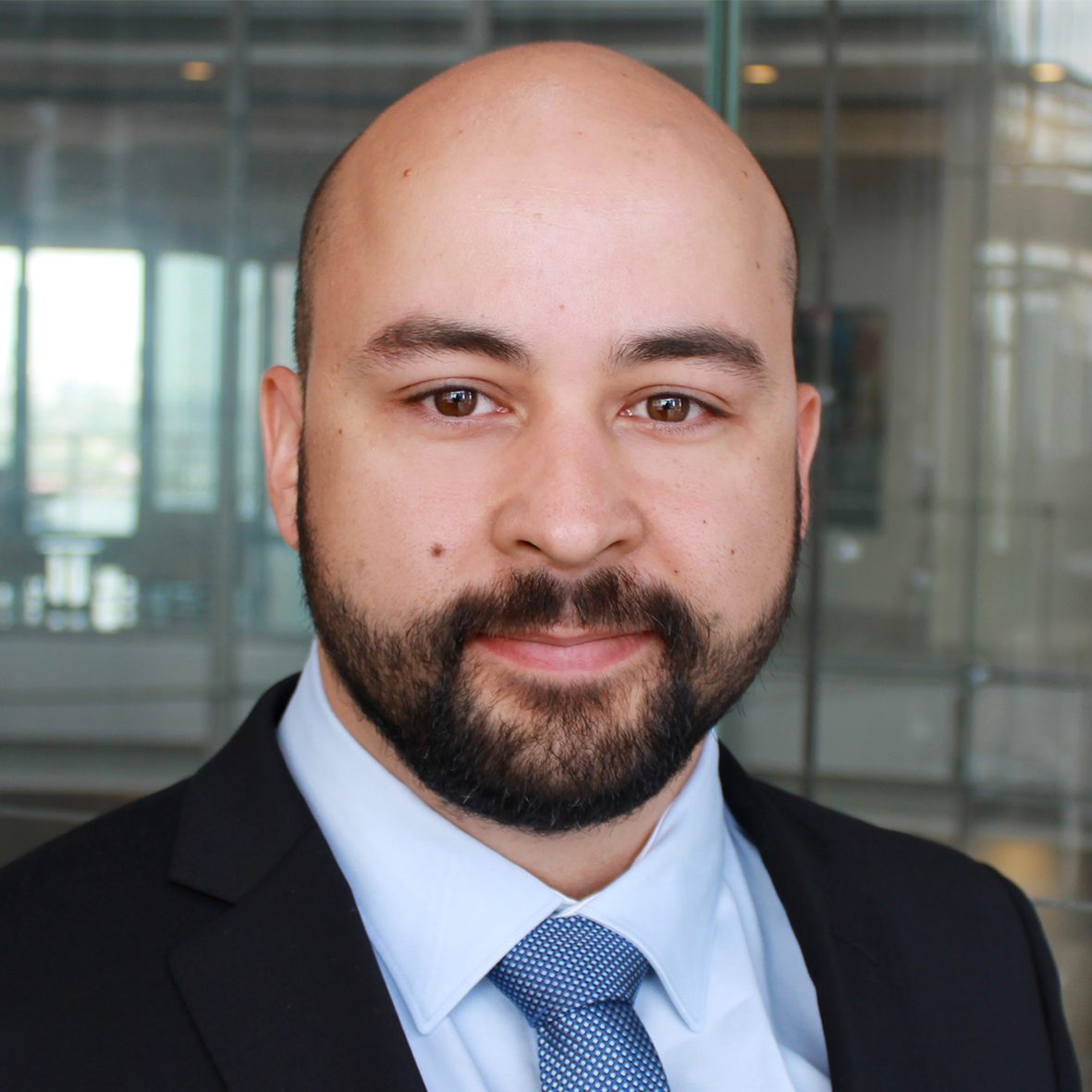
Practitioner profile
Seth Enoka
Director and Principal Analyst
Cybersecurity speaker and senior DFIR specialist who helps executives, boards, and technical teams understand serious incidents, test response capability, and make defensible decisions under pressure.
GIAC Security Expert (GSE), CISSP, and specialist certifications spanning incident handling, digital forensics, network analysis, reverse engineering, and leadership.
Next step
A confidential review of your current position.
A focused discussion to understand your environment, current assurance requirements, and whether our operating model is appropriate.